武道
Japanese Martial Arts
Budo — the martial ways — disciplines of body, mind, and spirit that trace their roots to Japan's warrior traditions.
Budo — the martial ways — disciplines of body, mind, and spirit that trace their roots to Japan's warrior traditions.
Japanese martial arts — collectively known as budo (martial ways) — are far more than fighting systems. Each discipline (do) is a structured path of personal development in which physical training becomes a vehicle for cultivating character, discipline, humility, and respect.
Rooted in the training of the samurai class, these arts were systematized and refined over centuries, and many were deliberately reformed in the Meiji and postwar eras to emphasize their ethical and educational dimensions over their combat utility.
Whether throwing an opponent in judo, shooting an arrow in kyudo, or meeting a sword in kendo, the practitioner of budo engages first and foremost in a practice of self-examination.
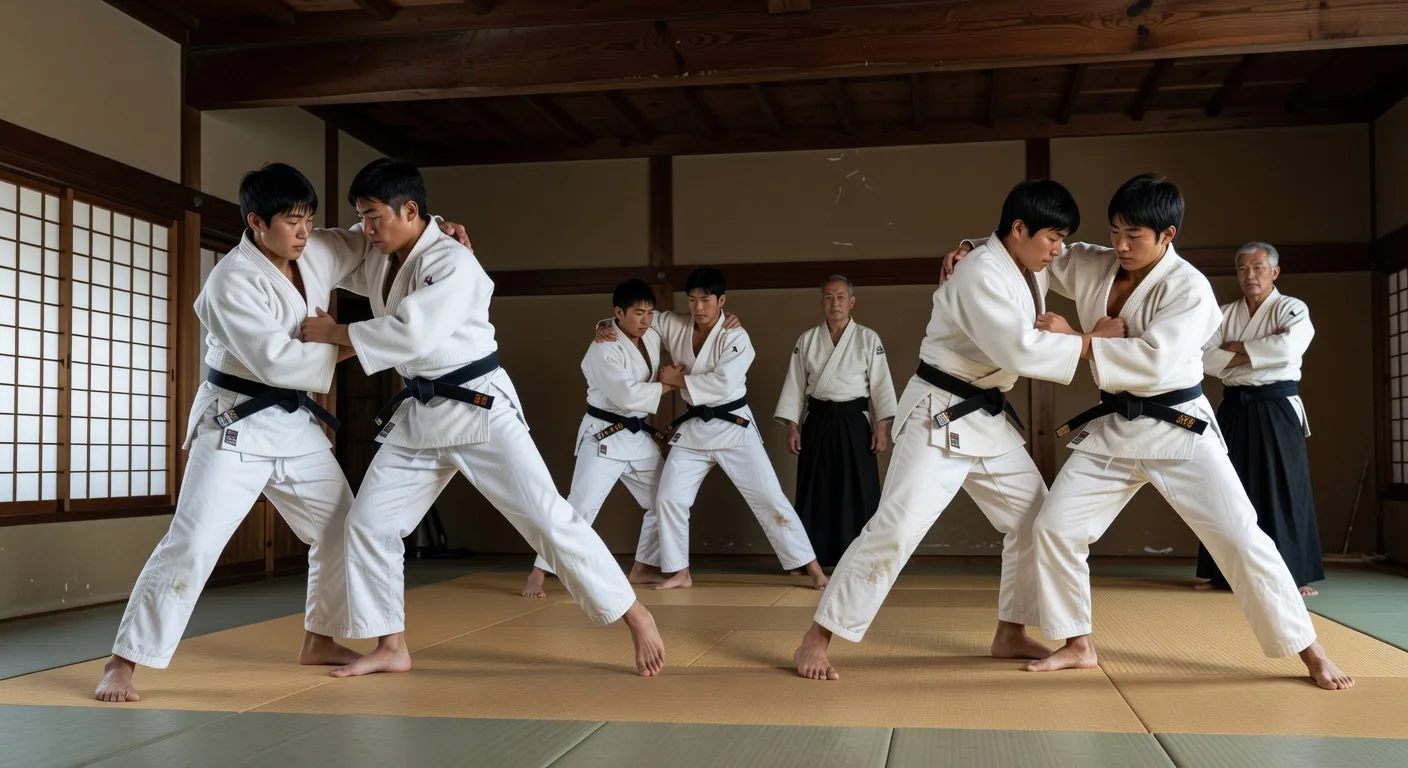
Founded by Jigoro Kano in 1882, judo emphasizes using an opponent's force and balance against them. An Olympic sport since 1964, it is practiced by millions worldwide. Core principles include maximum efficiency (seiryoku zenyo) and mutual benefit (jita kyoei).
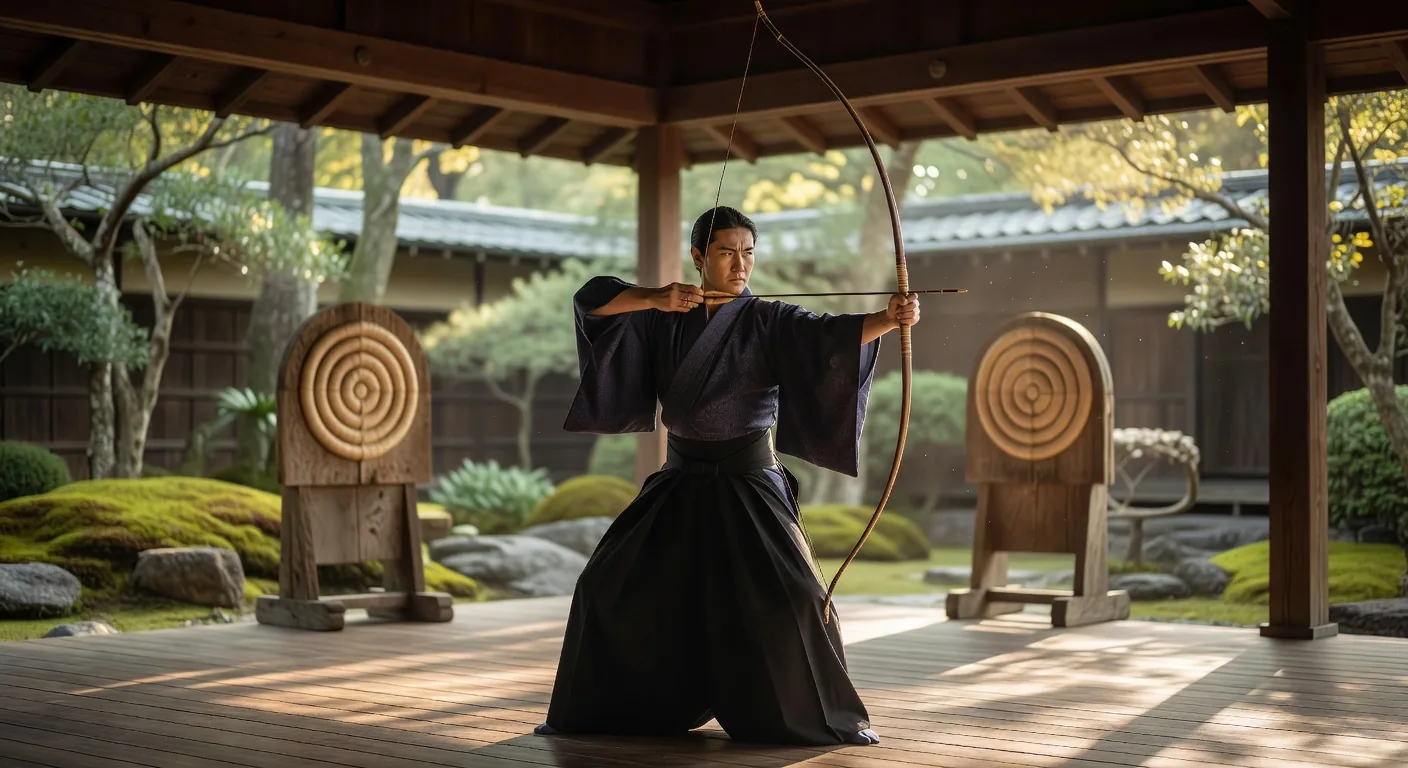
Japanese archery as a spiritual and meditative practice. The eight stages of shooting (hassetsu) are performed with prescribed form and mental focus. The goal is not merely to hit the target, but for the shot to emerge from a state of complete stillness and unity of body and mind.
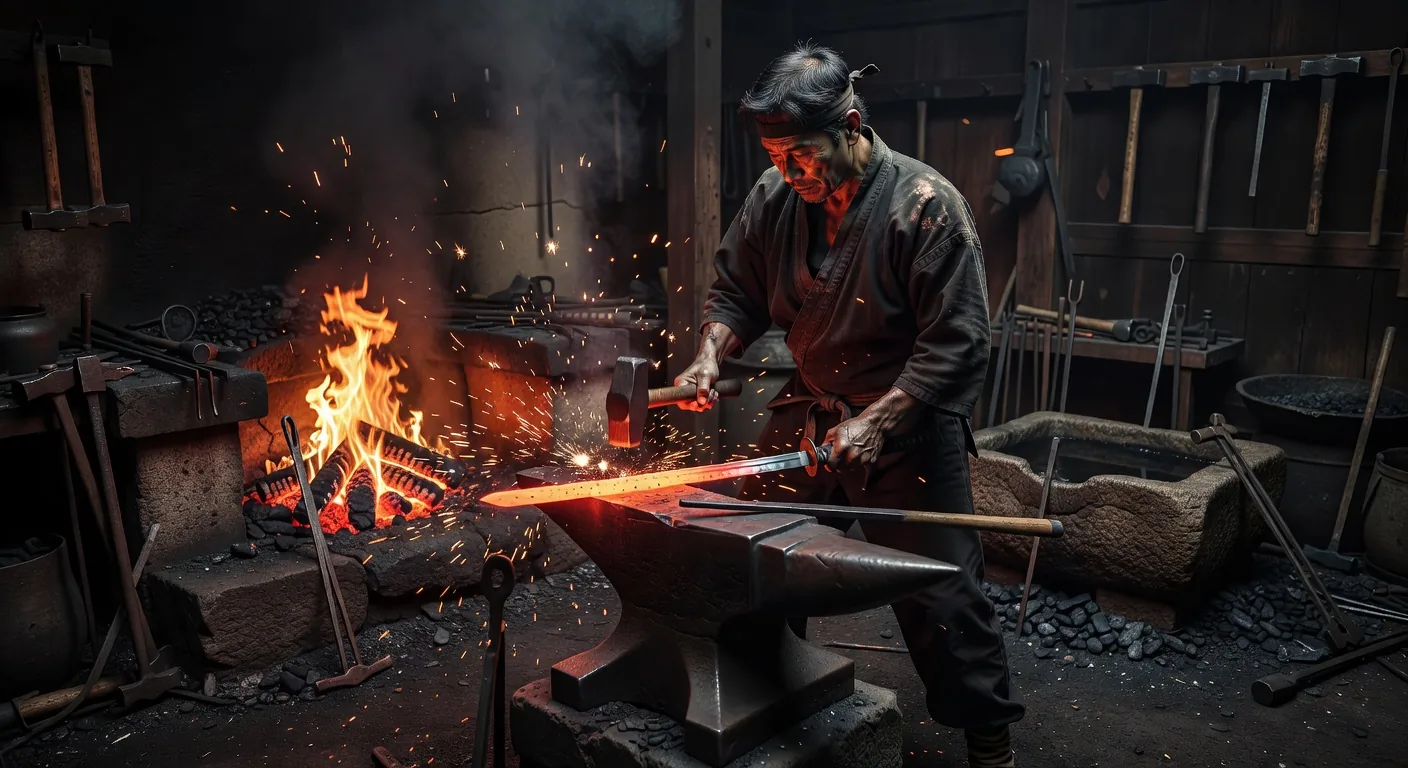
Modern Japanese fencing using bamboo swords (shinai) and protective armour (bogu). Evolved from the sword arts of the samurai, kendo emphasizes etiquette, discipline, and spiritual development. Practitioners strive to unify their strike, their body, and their spirit.
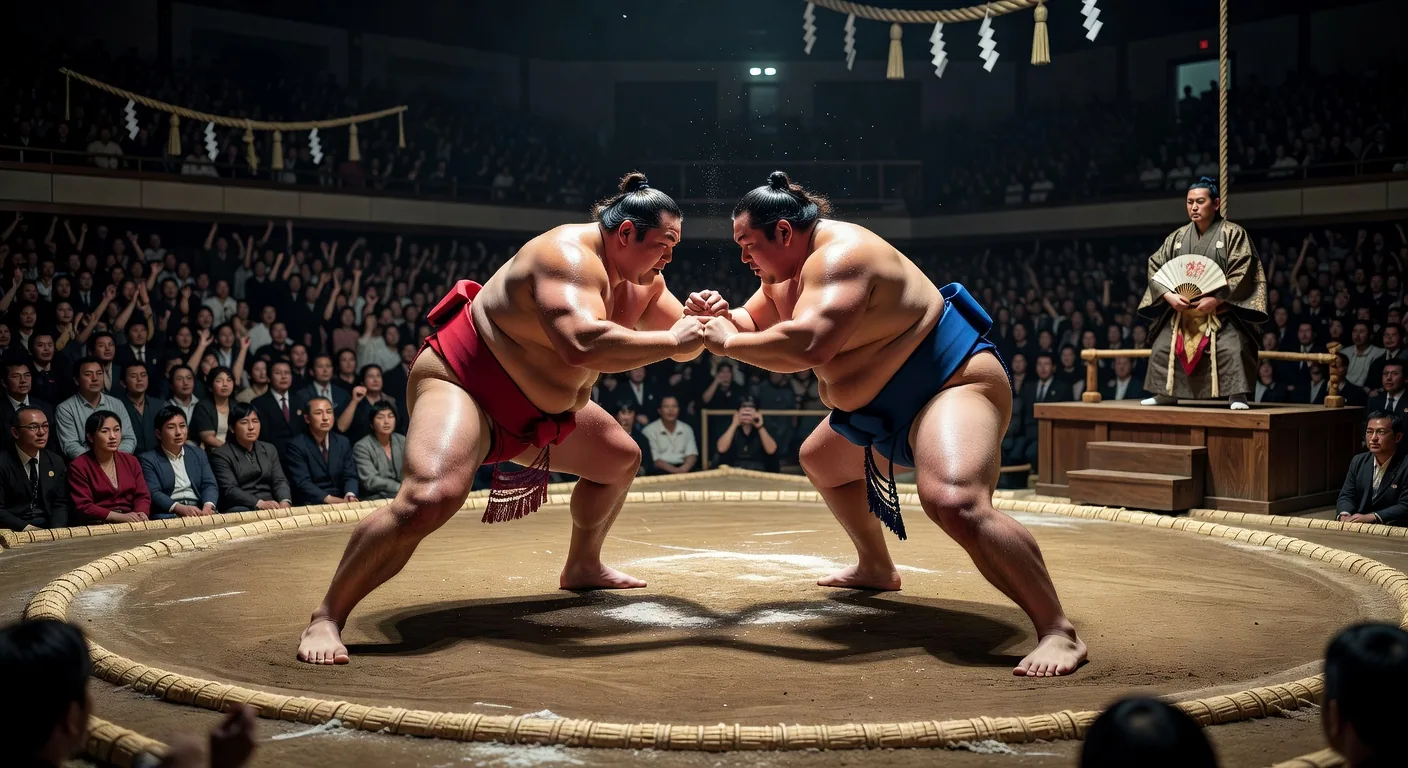
Japan's national sport with roots in Shinto ritual over 1,500 years ago. Wrestlers (rikishi) compete in a circular ring (dohyo), with the goal of forcing the opponent to touch the ground or step outside the ring. Six grand tournaments (honbasho) are held annually.
The ethical code that governed samurai behavior, later codified by Nitobe Inazo. Its seven virtues remain central to Japanese martial arts and cultural values.
The ability to make the right decision with moral integrity, even at personal cost.
Heroic courage — not recklessness, but bold and righteous action in the face of fear.
Compassion for all living beings. The warrior's strength must be matched by mercy.
Correct behavior and courtesy toward all people, regardless of social standing.
Absolute sincerity — to speak and act with total truthfulness at all times.
Living and dying with honor; the samurai's reputation was more precious than life.
Absolute devotion to one's lord, family, and the responsibilities one has assumed.
Mastery of one's own impulses, emotions, and desires — the foundation of all other virtues.
"The way of the samurai is found in death. Meditation on inevitable death should be performed daily."— Yamamoto Tsunetomo, Hagakure (1716)