伝統芸術
Traditional Arts
Where spirit and skill meet in disciplines refined over centuries — Japan's living artistic heritage.
Where spirit and skill meet in disciplines refined over centuries — Japan's living artistic heritage.
In Japan, the traditional arts are not merely aesthetic pursuits — they are do (ways), disciplines of spiritual and personal development. The calligrapher, the flower arranger, the ink painter — each treads a path toward perfection that is never fully achieved, and that is precisely the point.
Japanese aesthetics are guided by profound philosophical concepts: wabi (rustic simplicity), sabi (beauty of impermanence and age), mono no aware (the gentle sadness of passing things), and ma (the meaningful use of empty space).
 書
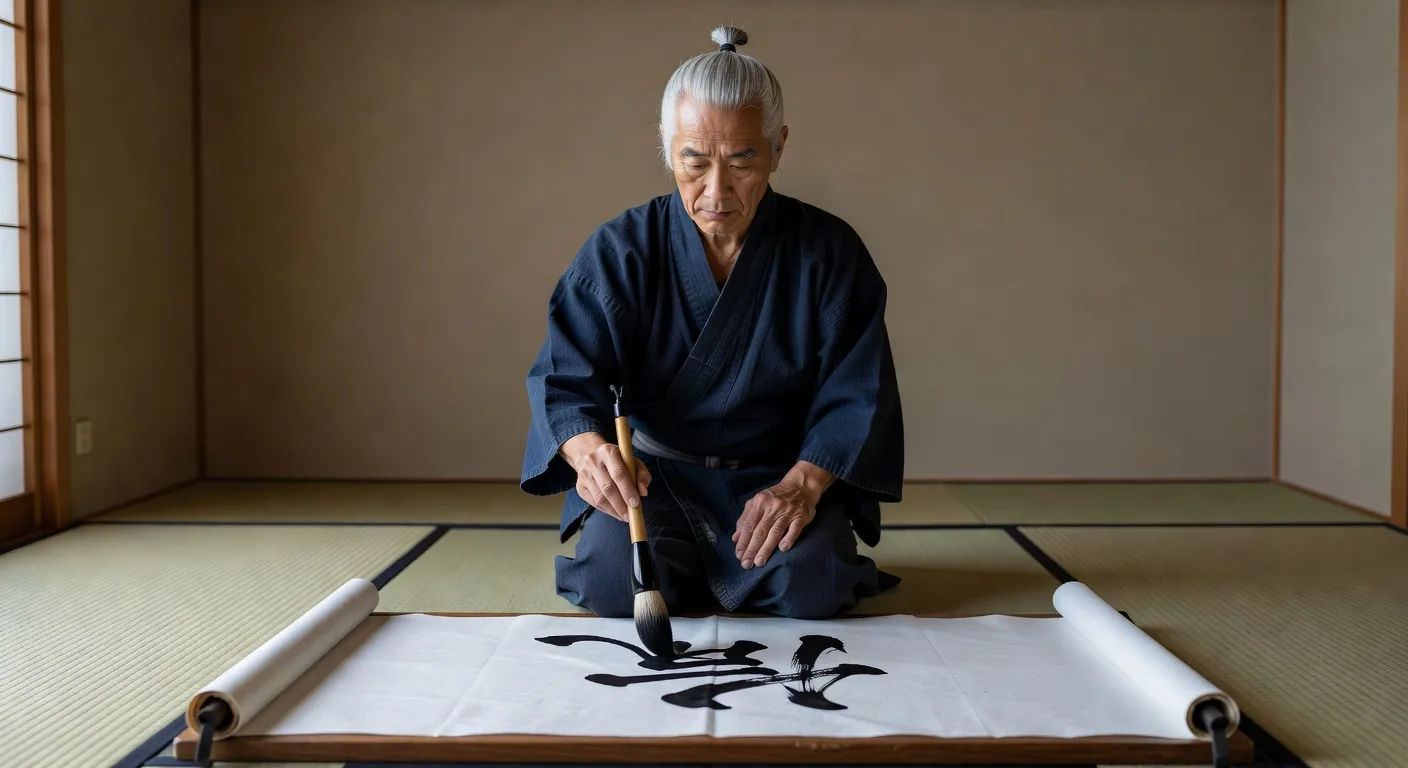
書The way of writing. With ink, brush, and paper, the calligrapher expresses not just meaning but emotion, character, and spiritual state. Each brushstroke is irreversible, demanding complete presence and commitment.
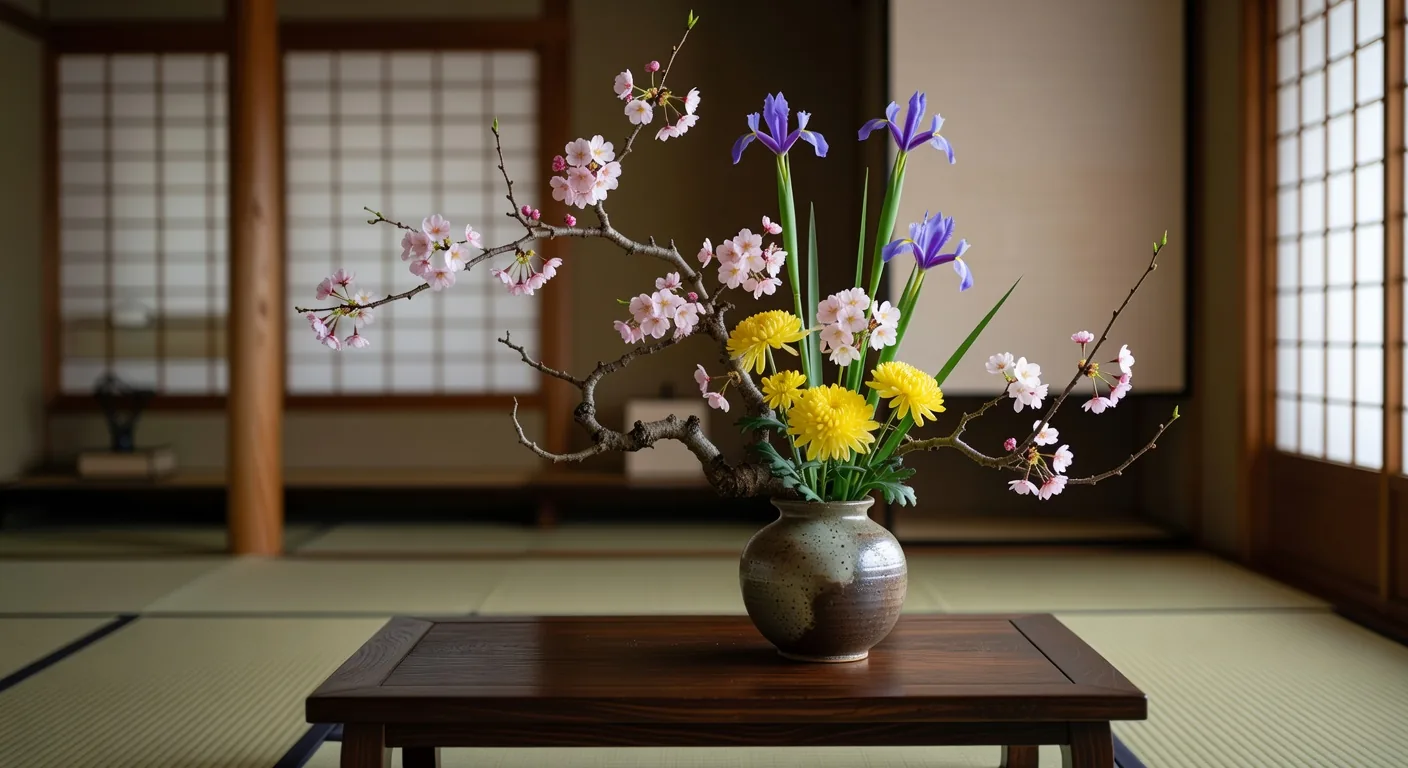
花Far beyond decoration, ikebana is a philosophical practice of arranging flowers, branches, and leaves to express the relationship between heaven, earth, and humanity. Silence and restraint are as important as the flowers themselves.
 折
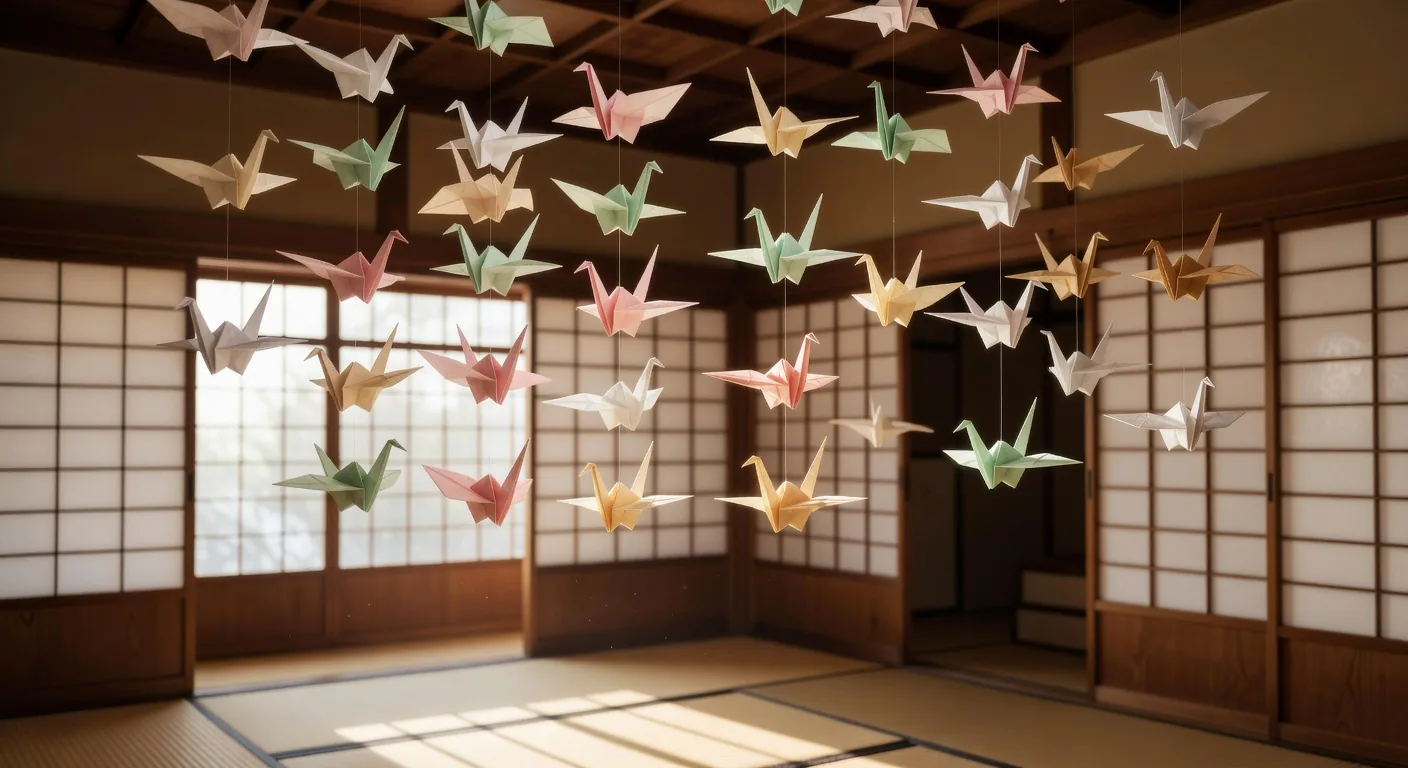
折The art of transforming a flat sheet of paper through folding alone into complex forms. The folded crane (orizuru) is the most iconic form, carrying the wish for healing, peace, and longevity. Origami expresses the Japanese reverence for transformation.
 盆
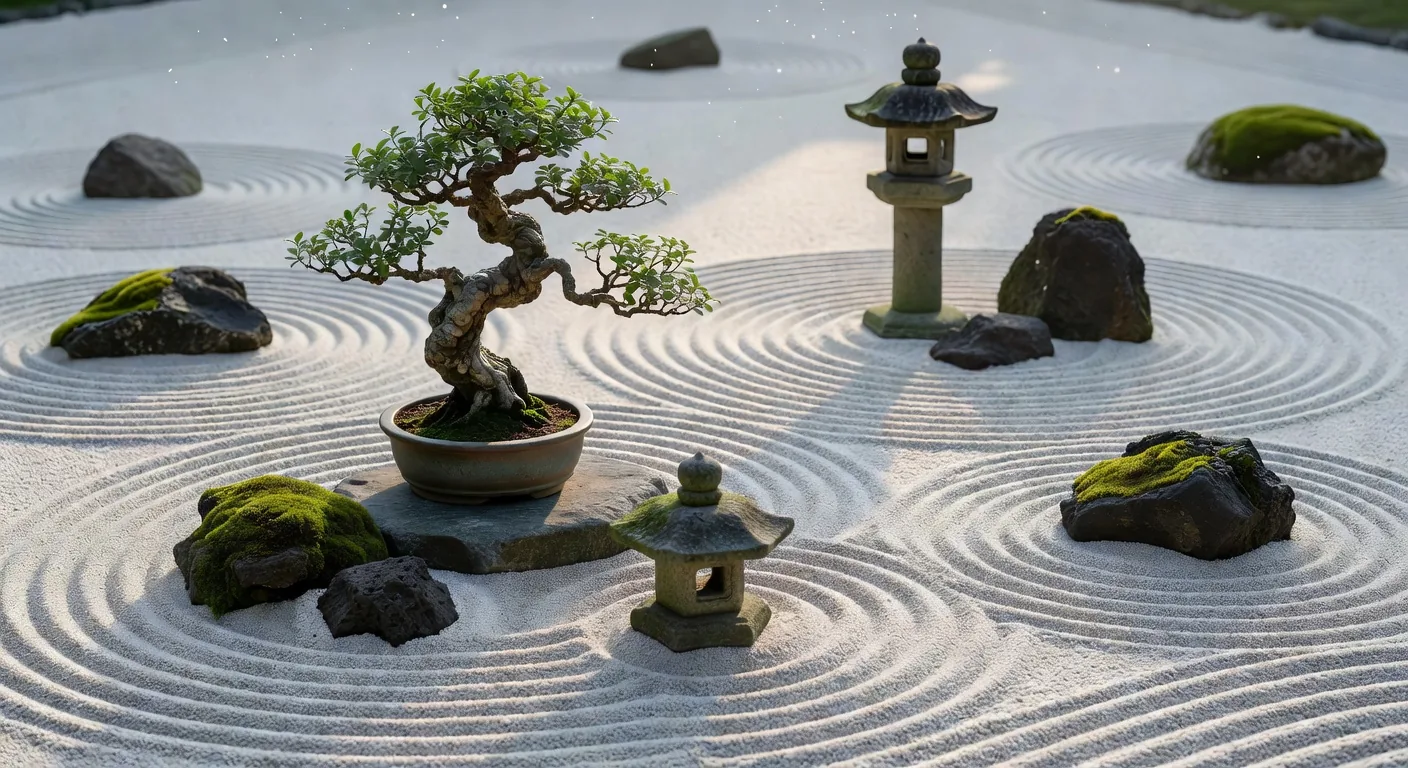
盆The cultivation of miniature trees shaped through careful pruning and wiring over decades and centuries. A bonsai is not made but guided, and great masters speak of the relationship between gardener and tree as a conversation that spans a lifetime.
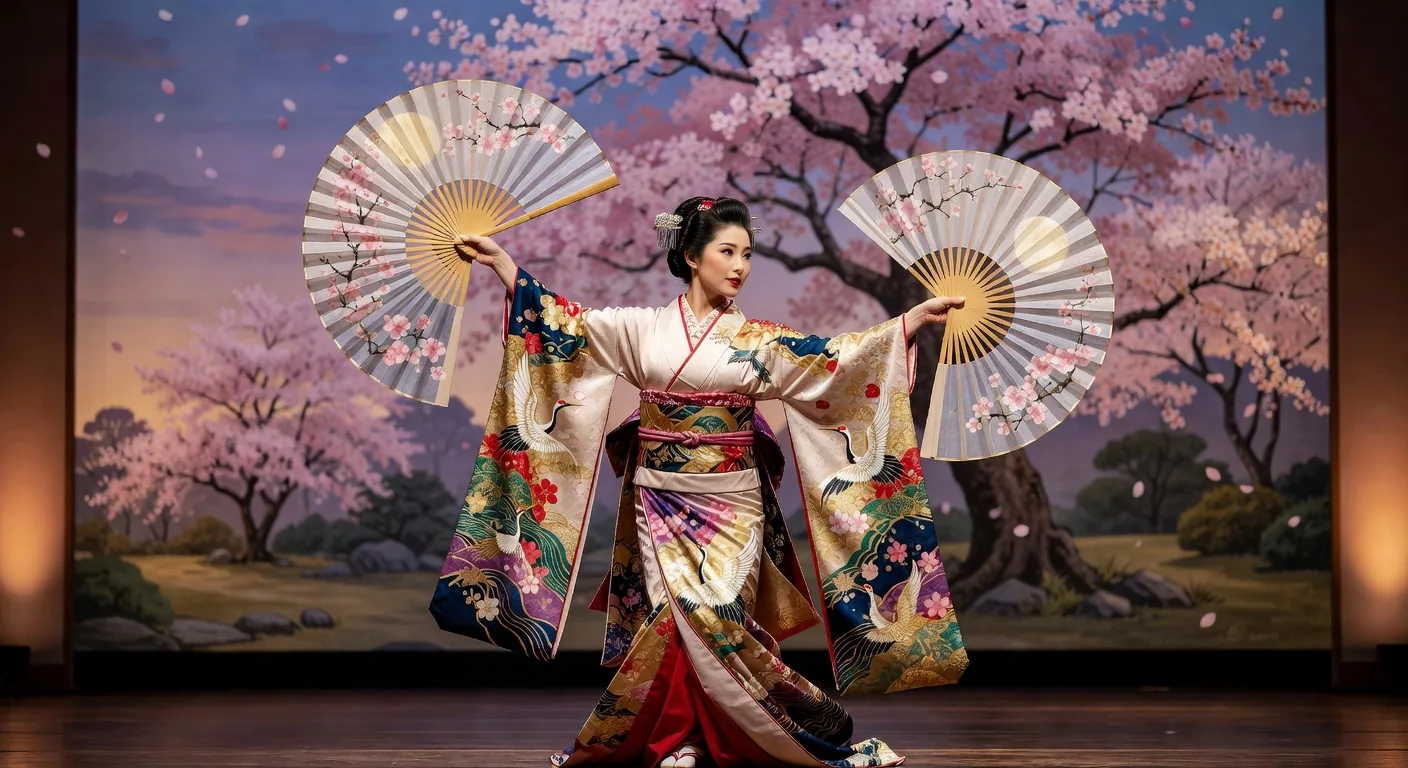 舞
舞Classical Japanese dance encompasses several distinct styles including mai and odori, characterized by slow, deliberate, and highly symbolic movements performed with fans, parasols, and flowing kimono. Every gesture carries specific emotional meaning.
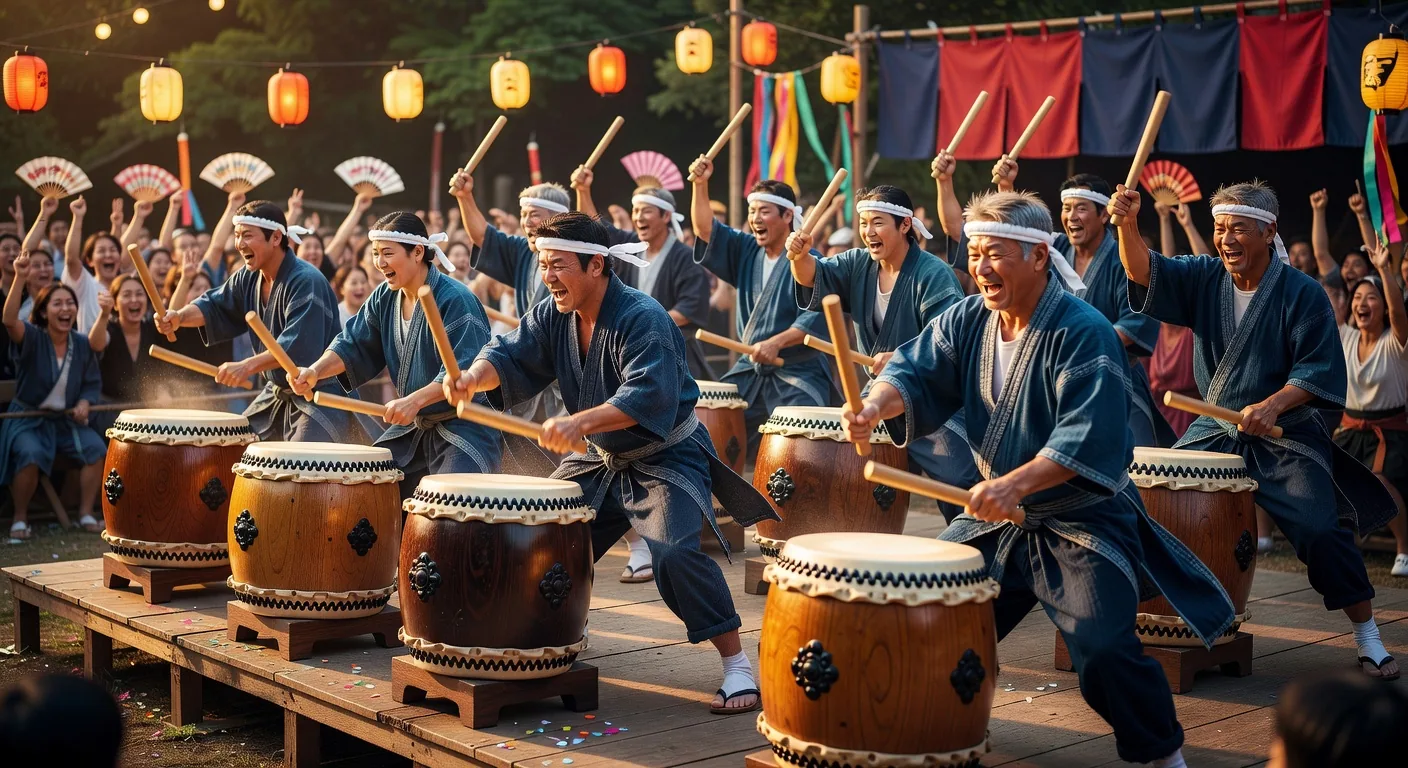 太
太The great Japanese drum tradition, from the intimate ceremonial taiko to the explosive ensemble performances of modern kumi-daiko groups. The sound of taiko is considered the voice of the gods, used in Shinto ritual for thousands of years.
The acceptance of imperfection, impermanence, and incompleteness as the true nature of beauty. A cracked tea bowl, weathered wood, fading petals — all embody wabi-sabi's profound aesthetic vision.
The "pathos of things" — a gentle, bittersweet awareness of the transience of all things. Cherry blossoms are beautiful precisely because they fall. This sensitivity underlies much of Japanese poetry, art, and literature.
The conscious use of emptiness, silence, and pause as artistic elements. In music, the silence between notes; in architecture, the empty room; in painting, the untouched paper — all are as meaningful as what is present.
"The Japanese artist does not seek to conquer nature — they seek to become a humble student of it, and through that humility, to reveal its deepest truths."— Fresh Flower Corner