Key Etiquette Guidelines
Whether visiting Japan or simply seeking cultural understanding, these customs form the foundation of respectful interaction.
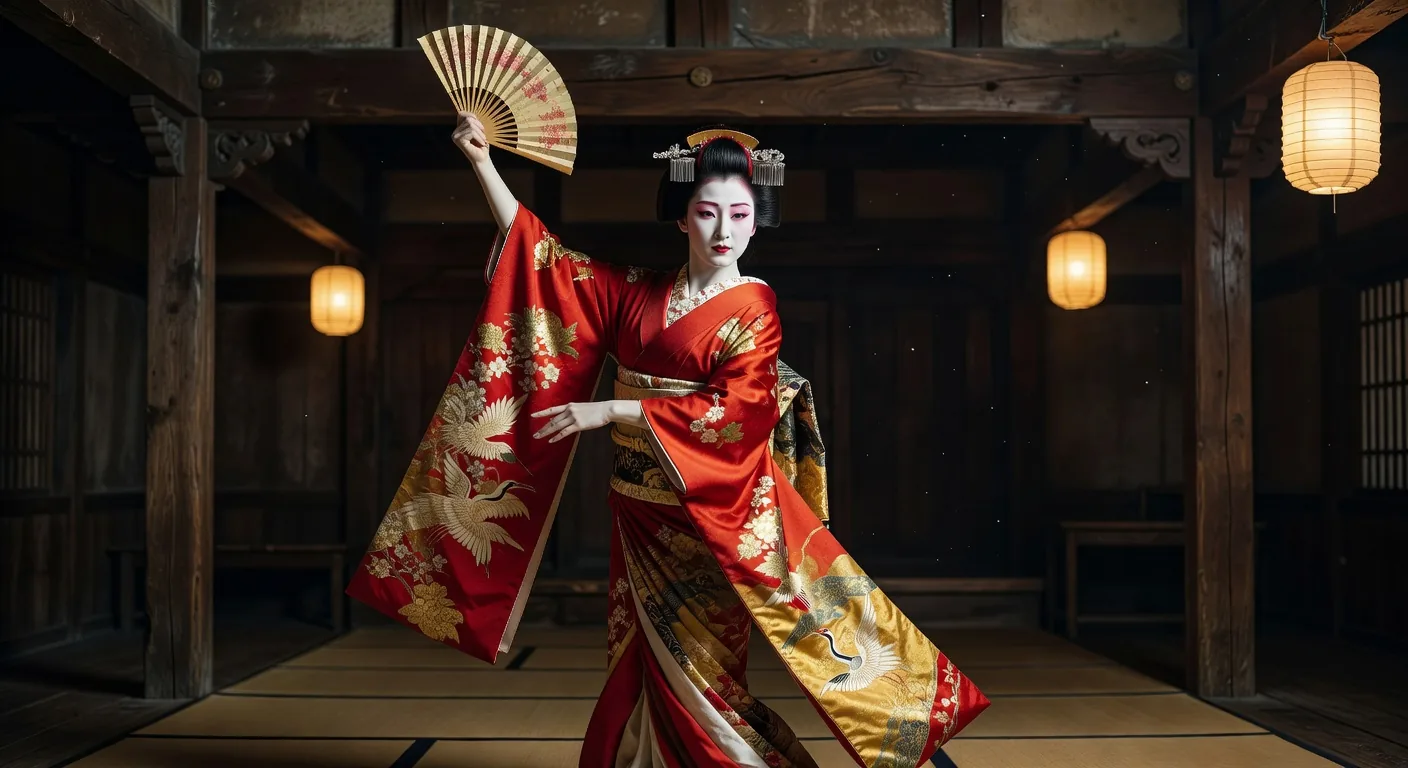
Understanding the unspoken rules that shape Japanese social life — from bowing to gift-giving and beyond.
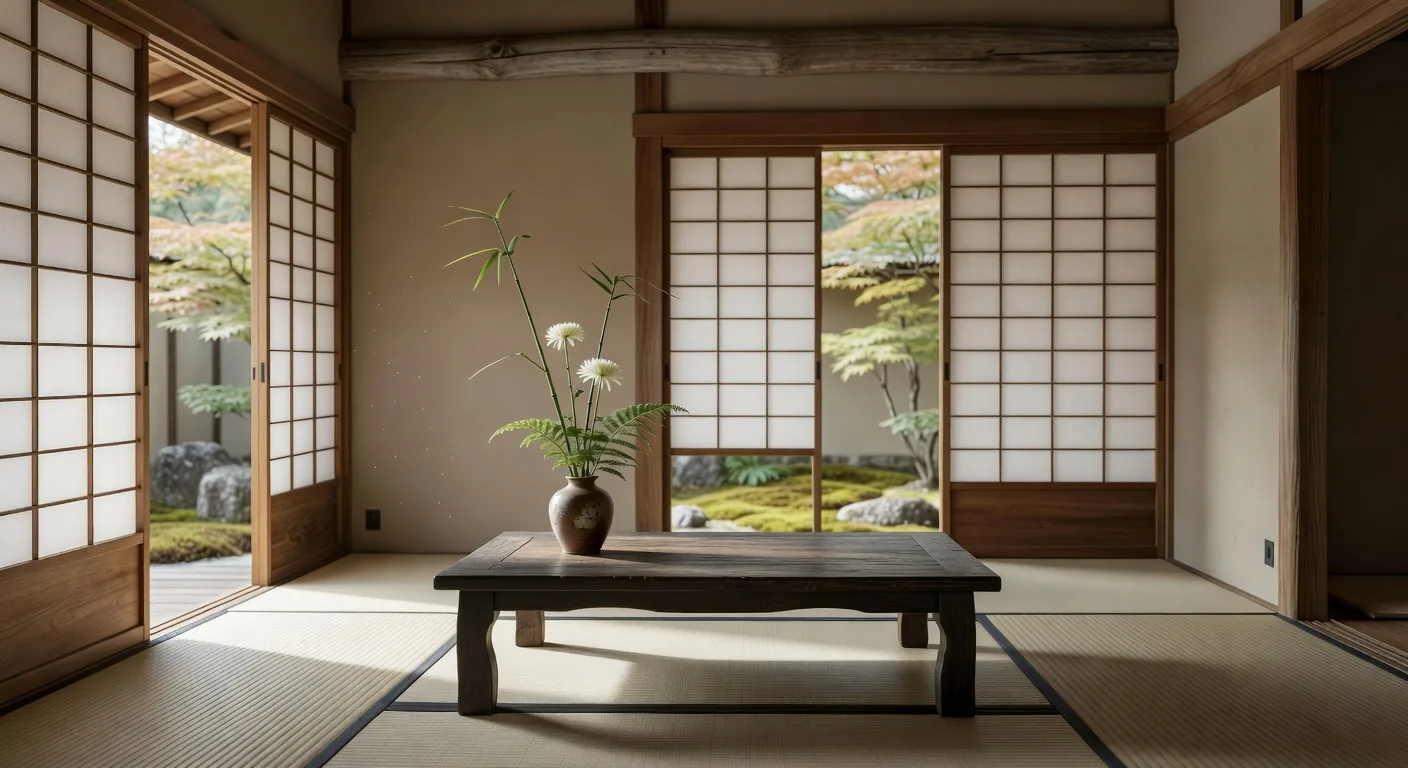
At the heart of Japanese etiquette lies omotenashi — a philosophy of wholehearted hospitality that anticipates a guest's needs before they are expressed. Unlike Western service, omotenashi requires no expectation of reciprocation; it is given freely, with complete sincerity.
Japanese social conduct is governed by invisible yet powerful codes that reflect deep cultural values: respect for others, humility, group harmony (wa), and the importance of reading the atmosphere (kuuki wo yomu). Mastering these codes unlocks a far richer experience of Japanese life.
Whether visiting Japan or simply seeking cultural understanding, these customs form the foundation of respectful interaction.
Bowing is Japan's primary form of greeting, gratitude, apology, and respect. The depth and duration of the bow conveys the level of respect being shown.
Removing shoes before entering a home, traditional restaurant, temple, or certain traditional spaces is fundamental. The threshold (genkan) marks the boundary between outside and inside worlds.
Chopsticks carry deep ceremonial significance in Japanese culture, and there are specific taboos associated with their use that stem from funeral customs.
Gift-giving is a deeply embedded practice in Japanese culture. Bringing omiyage (souvenirs/gifts) when visiting or returning from travel is considered a sign of thoughtfulness and respect.
Japanese public spaces operate according to a shared code of quiet consideration. Trains, restaurants, and streets each have their own behavioral norms that visitors should understand.
Visiting a traditional onsen (hot spring bath) is a quintessential Japanese experience, governed by specific protocols designed to maintain cleanliness and harmony.
Each bow angle carries specific social meaning. Here is a guide to understanding what each level of bow communicates.
| Angle | Name | Used For | Duration |
|---|---|---|---|
| ~5° | Eshaku (会釈) | Passing acknowledgment, casual greeting, saying "excuse me" | Brief nod |
| 15° | Futsurei (普通礼) | Standard greeting in daily interactions, entering a shop | 1–2 seconds |
| 30° | Keirei (敬礼) | Formal greeting of superiors, meeting someone for the first time in a business context | 2–3 seconds |
| 45° | Saikeirei (最敬礼) | Deep respect or sincere apology, greeting very high-status individuals | 3+ seconds |
| 90° | Dogeza (土下座) | Profound apology, reverence before deities or the emperor (extremely formal) | Variable |
"Japanese etiquette is not about rules — it is about the sincere desire to make those around you feel seen, valued, and at ease."— Fresh Flower Corner