
建築
Architecture & Gardens
Spaces designed not just to shelter, but to align humanity with nature, spirit, and the passage of time.
Spaces designed not just to shelter, but to align humanity with nature, spirit, and the passage of time.
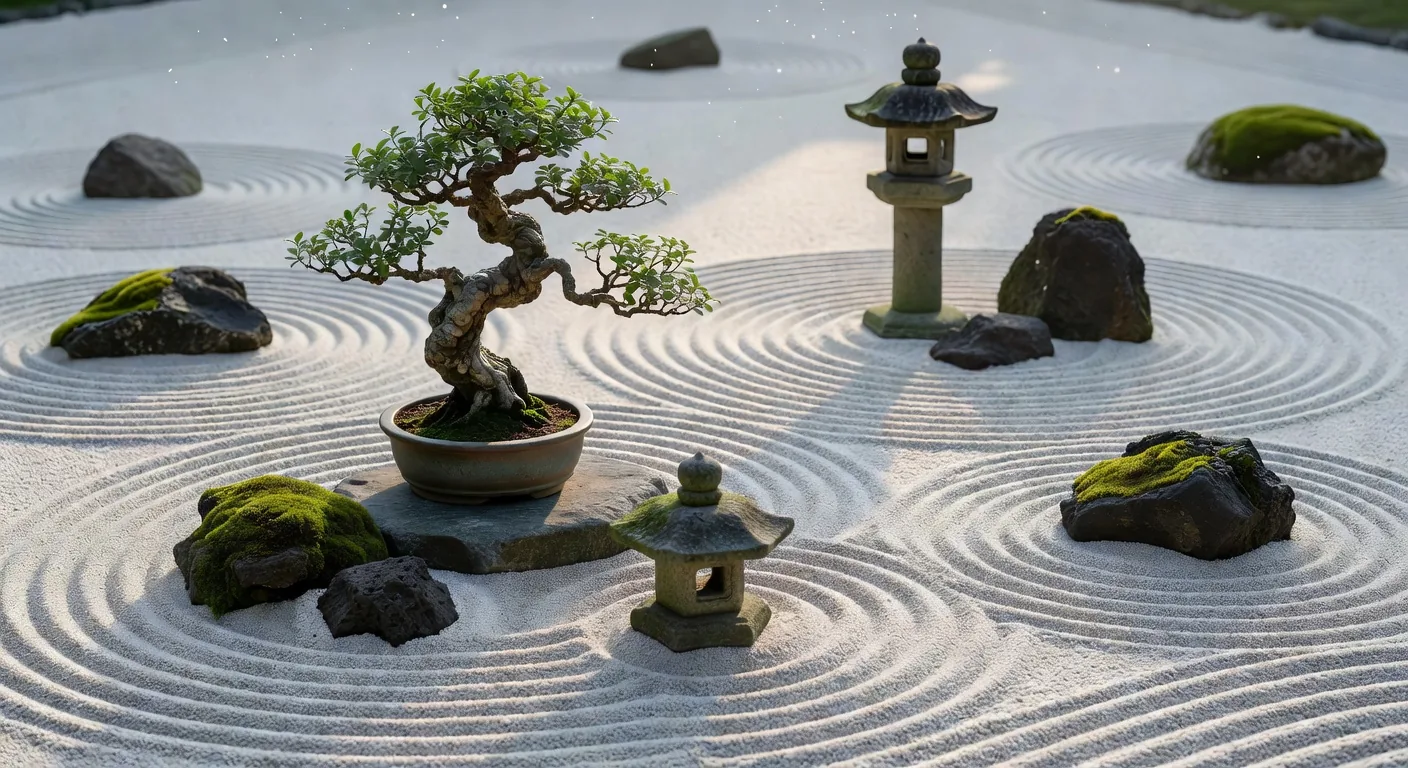
Traditional Japanese architecture begins with a fundamental philosophical premise: that buildings should not dominate the landscape, but exist in humble conversation with it. Natural materials — timber, bamboo, washi paper, stone — are selected for their inherent beauty and their relationship to the seasons.
The post-and-beam structural system (rather than load-bearing walls) allows Japanese buildings to be light, flexible, and deeply connected to the landscape through shoji screens, engawa verandas, and garden views that blur the boundary between inside and outside.
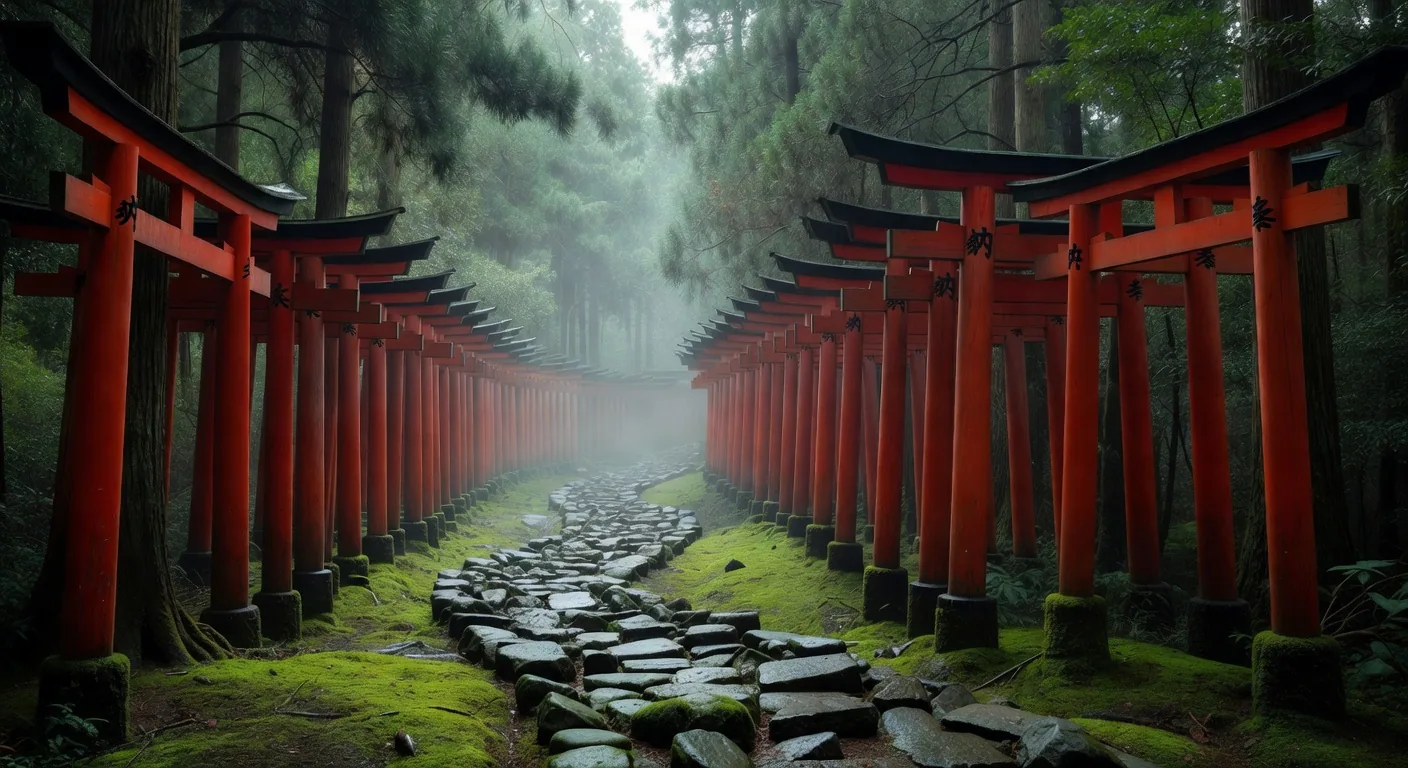
Shinto shrines mark sacred sites where kami (spirits) dwell. Characterized by the iconic torii gate, gravel approach (sandō), water purification basin, and main hall (honden). Materials are often unpainted natural wood, replaced periodically in renewal rituals.
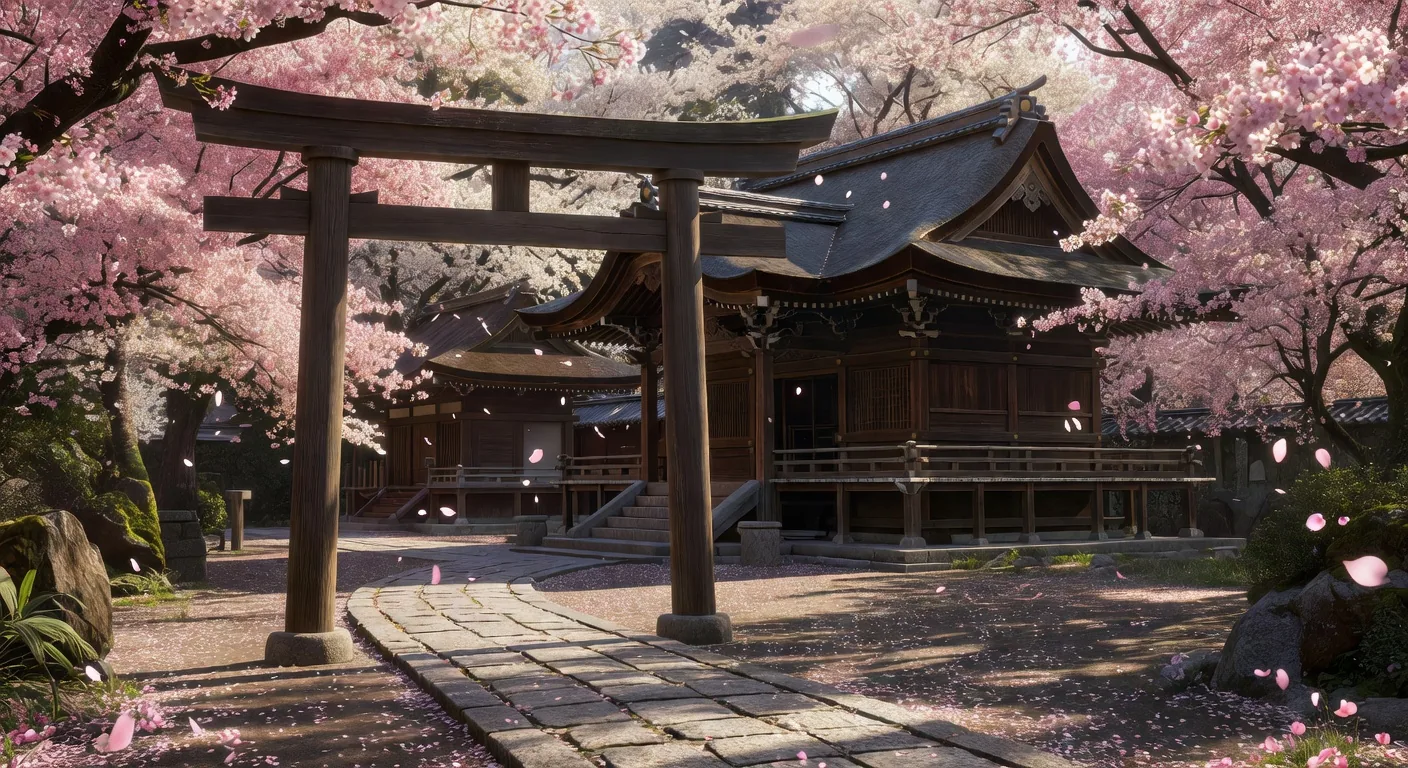
Buddhist temple complexes introduced continental architectural influences from China and Korea. Distinctive features include the pagoda (tahoto), main hall with curved roof and upturned eaves, bell tower, and formal garden designed for meditation.
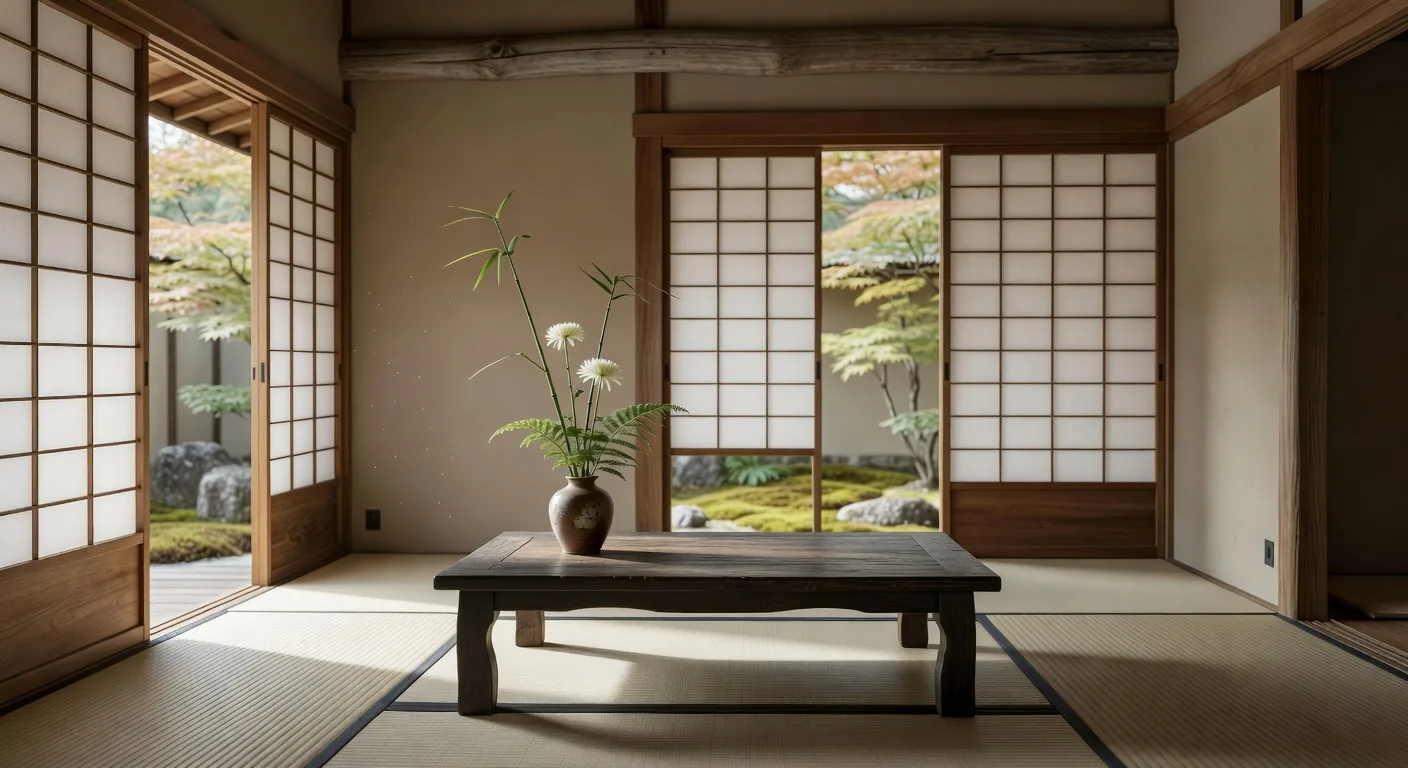
Urban townhouses (machiya) and rural farmhouses (minka) share a fundamental design logic: tatami mat rooms, sliding shoji and fusuma screens, a tokonoma alcove for seasonal display, and the deeply practical genkan entrance threshold.

The pagoda evolved from Indian stupas via China. Japanese pagodas are multi-storied towers (typically three or five stories) with stacked, progressively smaller roofs. They represent Mount Meru, the cosmic axis of Buddhist cosmology. Their flexible central mast (shinbashira) provides earthquake resistance.

Japanese gardens are designed as miniature representations of ideal landscapes — mountainous, coastal, forested — and serve as settings for contemplation, ceremony, and seasonal appreciation. Every stone, plant, and water feature is deliberately positioned.
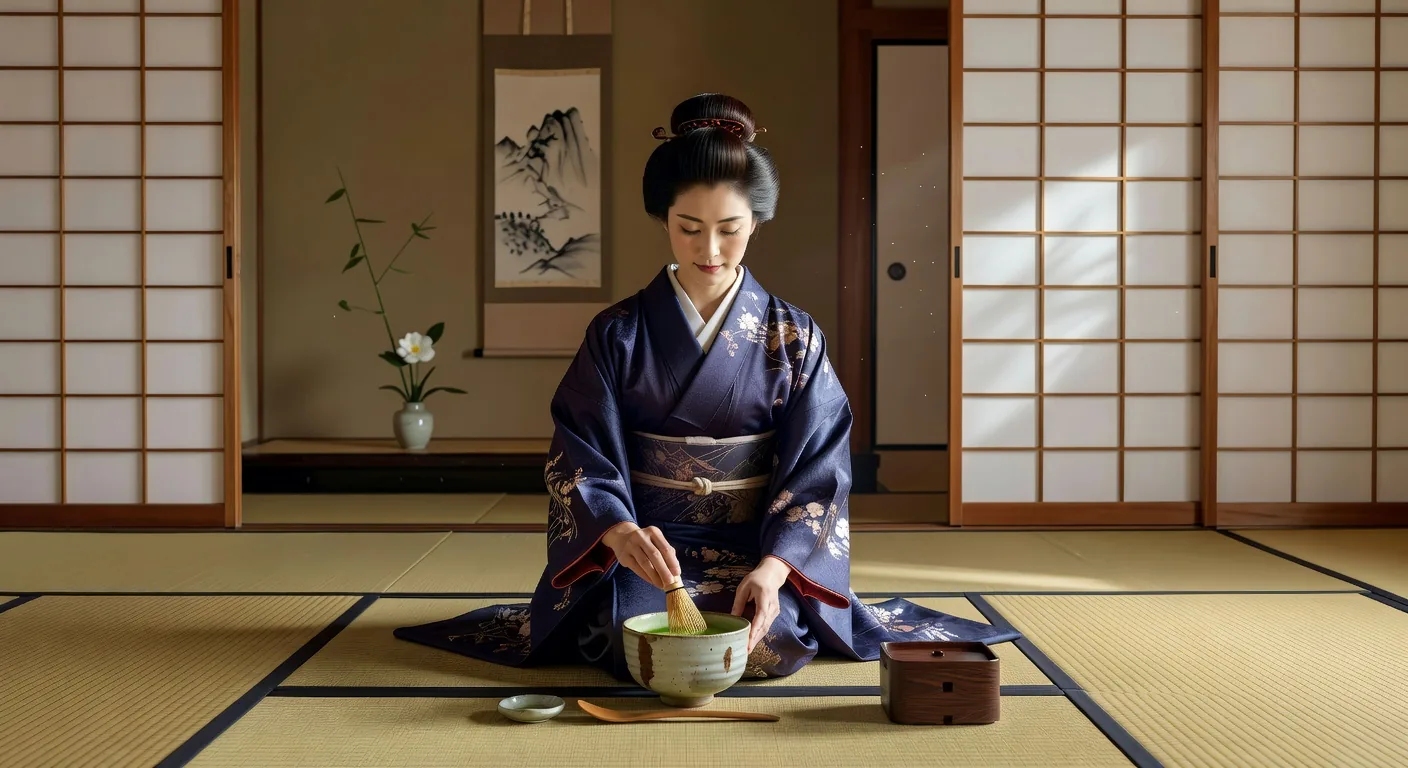
The tea room represents the ultimate refinement of Japanese architectural minimalism. Walls of earthen plaster, a tokonoma alcove, a low nijiriguchi entrance requiring all to bow equally, and perfectly calibrated proportions that cultivate the wabi aesthetic.
Raked white gravel representing ocean, water, or clouds, with carefully placed rocks representing islands or mountains. Designed for meditation and contemplation from a fixed viewpoint. Famous examples: Ryōanji (Kyoto), Daitokuji.
Gardens featuring a central pond, islands, hills, winding paths, and bridges, designed to create an idealized landscape representing nature in miniature. Often include a central viewing pavilion. Examples: Kenroku-en (Kanazawa), Kokedera (Kyoto).
A transitional garden established to the tea house, designed to induce a meditative state as guests progress through a dewy, mossy, quietly beautiful landscape. The aesthetic ideal is shabby refinement — elegant, simple, and deeply natural.
Large gardens designed to be experienced on foot, revealing new landscapes, vistas, and seasonal displays as visitors progress along a circuit path. Often associated with feudal lords' estates. Examples: Shinjuku Gyoen, Ritsurin (Takamatsu).
Sliding panels of wooden lattice and translucent washi paper that diffuse light beautifully and allow flexible spatial division.
The transitional space between inside and outside — a wooden veranda where one can sit to enjoy the garden in all seasons.
Woven rush grass mats that cover floors, provide seating surfaces, and regulate room proportion. The standard tatami unit is a fundamental spatial module.
A raised, recessed alcove for displaying a seasonal hanging scroll and flower arrangement — the aesthetic heart of a traditional Japanese room.
"A Japanese building does not merely shelter from weather — it frames the world, focuses attention, and creates the conditions for a deeper awareness of being alive."— Fresh Flower Corner